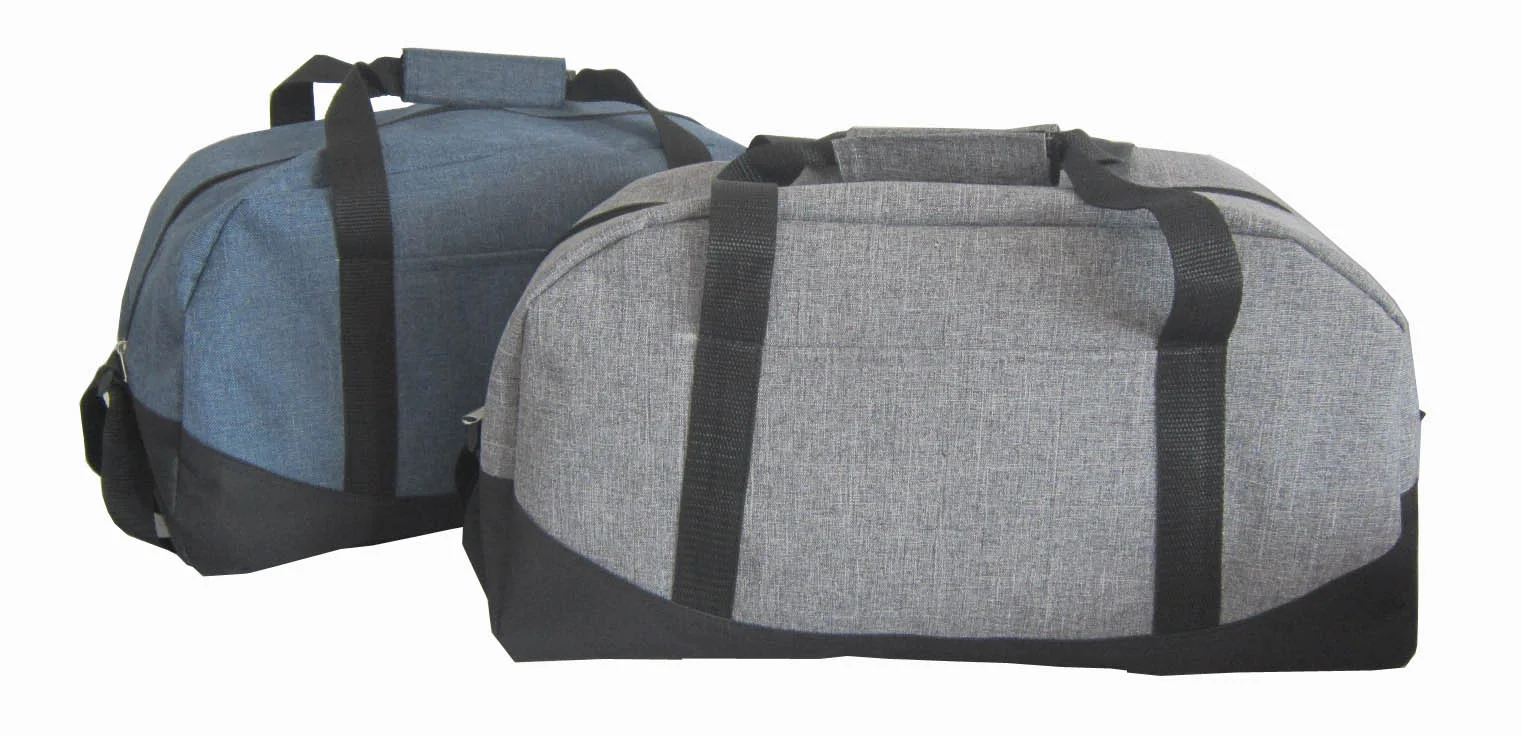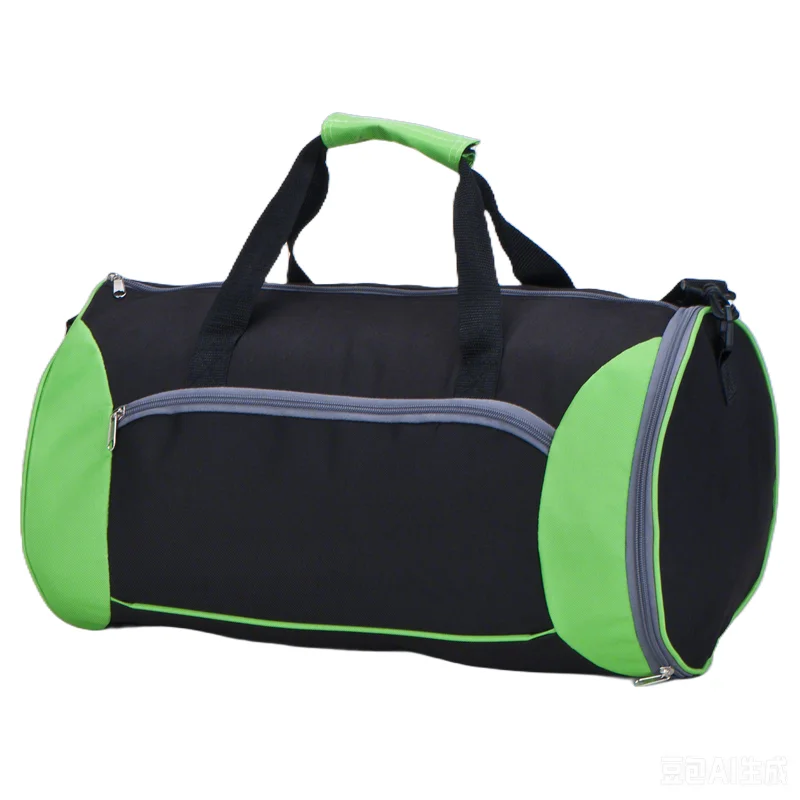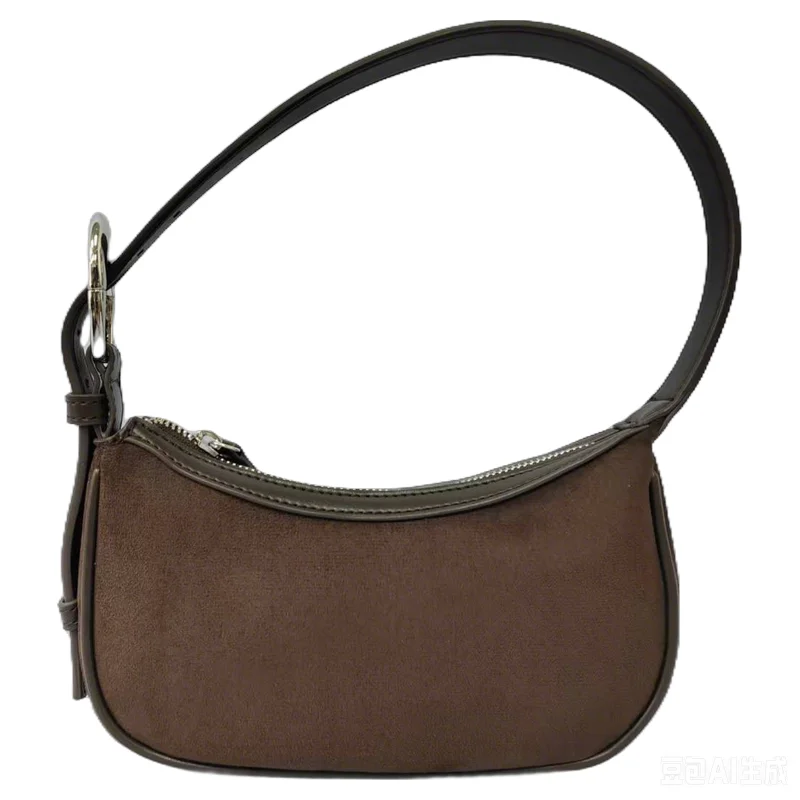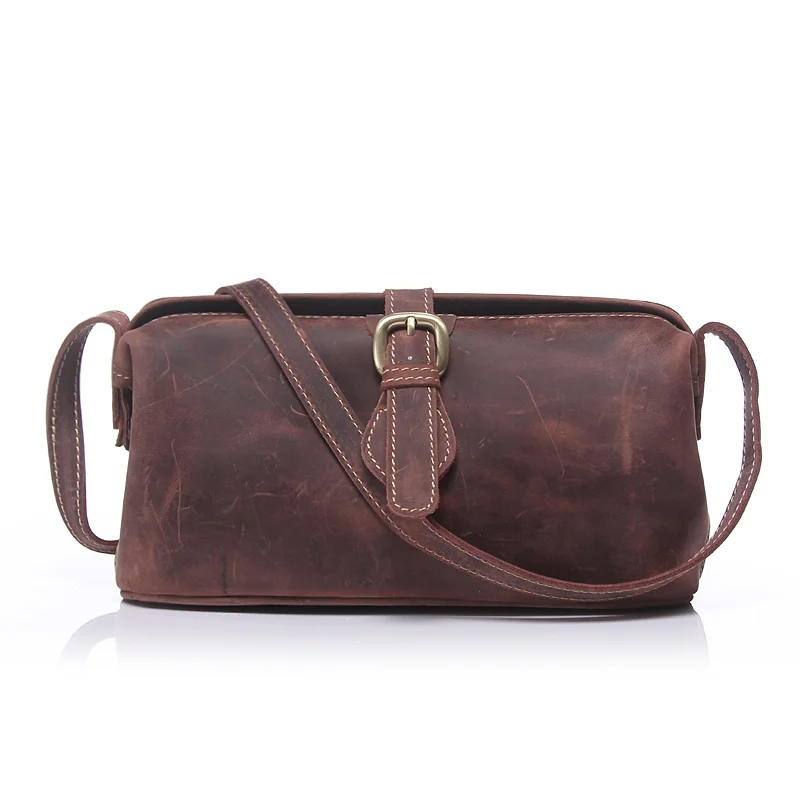



If you’re a brand owner, buyer, or sourcing manager planning a private-label bag line in 2026, you’ve probably noticed the same problem I hear about constantly: everyone online claims to be a “factory.” Sorting the partners who will protect your brand from the ones who will quietly cost you a season is the real job.
After three decades on the manufacturing side (our Quanzhou plant has run since 1989), here is the checklist I’d use if I were sitting on your side of the table. No fluff — just the questions that actually separate a smooth launch from a stressful one.
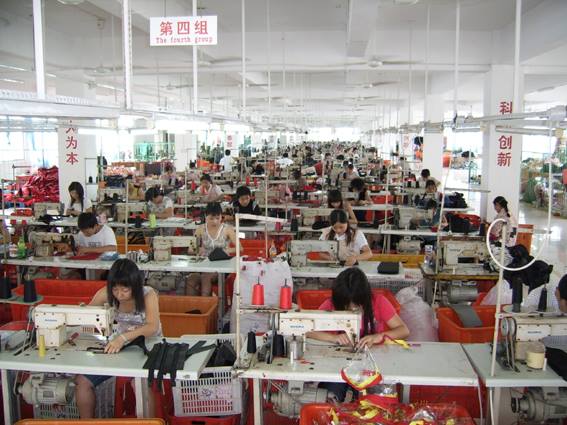
For EU and North American retail, audits are no longer optional. Buyers placing into major chains increasingly expect BSCI and SEDEX social-compliance audits, and for recycled programs, GRS (Global Recycled Standard).
Ask for the audit report, not just a logo on a website. A genuine partner will hand you a verifiable certificate (ours were most recently audited in 2025) without hesitation. If a supplier can’t, that’s your answer.
This matters more than ever: regulations like California’s statewide bag ban (effective January 1, 2026) are pushing retailers toward reusable and recycled-content bags, and GRS-certified rPET is quickly becoming a baseline requirement rather than a differentiator.
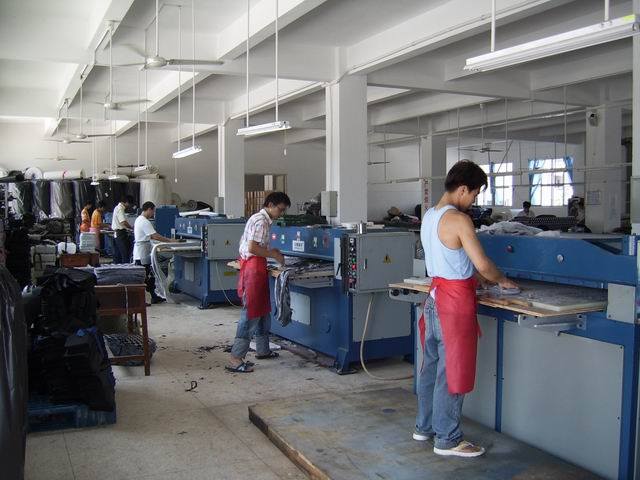
The single biggest fear for any buyer is simple: will the bulk match the sample?
Look for a partner who builds verification into the process, not just the sales pitch:
When a factory is willing to show you the line mid-build, that transparency is itself a quality signal.
“Fast” is not a schedule. A reliable manufacturer gives you a realistic, written timeline — sampling window, production window, and shipping — and then communicates proactively when anything shifts.
Build your own calendar around their updates. If a supplier goes quiet for three weeks and resurfaces with “it’s almost ready,” that’s a process problem you’ll feel every season.
Inventory is where small brands die. A sensible MOQ of 500 pcs/style lets you validate a design in the real market before committing to a warehouse full of one SKU.
Treat the first run as a learning loop: sample, sell, listen, refine. The right factory encourages this instead of pushing you toward a container you’re not ready for.
A good OEM/ODM partner meets you where you are — tech pack, reference sample, or even just a sketch. The test is the sampling loop:
If a supplier rushes past sampling or resists changes, your shelf presence will show it.
Things happen. A zipper batch underperforms, a color drifts, a delivery slips. What matters is who answers.
The best arrangement is a direct line to a real owner of the outcome — not a ticket queue that bounces you between departments. When the person who quotes you is the person who fixes the problem, accountability is built in.
Here’s a myth worth retiring: that buyers must choose between a factory (cheaper, slower, rigid) and a trading company (flexible, responsive, pricier).
You don’t have to. The right setup is a factory with trading-company reflexes — audited production and quality control on one side, and the fast, flexible, human response of a trading partner on the other. That combination is what lets a 500-piece trial and a full container both get the attention they deserve.